
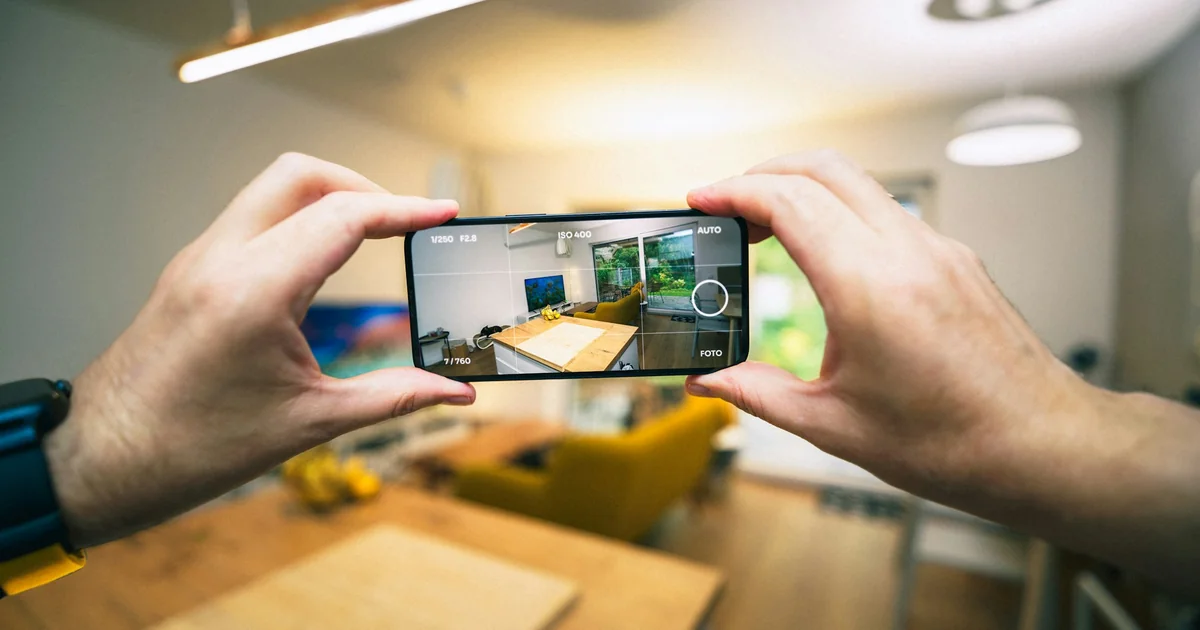
Tenant Self-Inspections: When to Use Them

A tenant self-inspection is useful when you need a record of visible property condition and the tenant can comfortably provide it. Use their room notes and photos to understand what needs attention. Arrange a visit when the information cannot answer your question, and act directly on urgent problems instead of waiting for a completed inspection.
The decision starts with the question you need answered, not whether someone can send pictures. These three fictional situations show where tenant documentation helps and where it reaches its limit.
What a tenant self-inspection can tell you
In this guide, a self-inspection means the tenant records accessible room conditions, notes, and photos for the property team to review. It gives you the tenant’s observations and the views they captured. It does not turn those observations into a professional diagnosis or establish the condition of areas that were not shown.
Keep the request proportionate. Explain which rooms or items you want documented, why, and how to report a concern separately. Ask the tenant to leave inaccessible areas uninspected. Do not ask them to climb, dismantle equipment, move heavy furniture, or investigate something unsafe just to complete a record.
Also establish whether this is practical for the person receiving the request. If they cannot comfortably use the device or document the area, arrange another way to obtain the information. A missing response is not a finding that the property is fine.
A routine visible-condition update
Fictional situation: You want an update on the accessible rooms in an occupied rental. There is no reported urgent issue, and the tenant is willing and able to provide room notes and photos. Your question is what they can currently see and whether they have noticed anything needing attention.
This is a reasonable use of tenant documentation. Define the scope so the tenant does not have to guess what “send some pictures” means. Ask for enough room context to locate an issue, followed by a closer view where useful. Keep people, personal paperwork, and unrelated belongings out of the pictures where practical.
Please document the accessible rooms and note any condition or maintenance concerns you have noticed. If you describe an issue, include a room view and a closer photo where you can do so safely. Mark anything you cannot inspect as not inspected. Contact us through the usual maintenance channel for a problem that needs attention now.
Review what comes back against the scope you requested. If the kitchen has a wide photo and a note about a sticking drawer, you have a location and a reported symptom to follow up. You do not yet have a diagnosis. If the bathroom is omitted, you do not have a bathroom result, even if the submission is marked complete.
The outcome should be a reviewed condition update with any follow-up identified, not a blanket statement that the home passed an inspection. Whether a particular inspection must be performed in person or by a qualified inspector is a separate question governed by the applicable requirements. This guide does not establish compliance with them.
An incomplete record needs a different next step
Fictional situation: The tenant reports that a bedroom window is hard to close. Their photo shows the closed curtains and part of the frame. You cannot see the relevant area or understand what happens when the window is used.
Start by asking what remains unknown. A clearer photo may establish the location, but another still image may not answer a question about movement or intermittent operation. Avoid sending the tenant through repeated requests that cannot resolve the uncertainty.
In this example, arrange a suitable visit to assess the reported problem. Keep the original tenant note with the record and distinguish it from what the visitor later observes. Follow the property’s applicable access and notice requirements when arranging that visit; a request for photos is not permission to enter.
Tenant reports that the bedroom window is difficult to close. Submitted image does not show the relevant operating parts. Cause and extent remain unconfirmed. Arrange an assessment and record the findings separately from the tenant’s report.
Use the routine inspection guide when planning an in-person condition walkthrough. The reason for the visit here is the unanswered question, not a judgment about the tenant’s effort or credibility.
Active moisture needs action before a finished report
Fictional situation: While documenting the bathroom, the tenant reports water appearing under the vanity. They have not finished the other rooms or submitted the inspection.
Move the concern into the appropriate maintenance response immediately. Do not make a completed room list, a better photo, or a submitted form a condition of responding to the reported water problem. A photo may help locate it, but the response should not wait for the documentation to be perfect.
The EPA’s moisture guidance advises renters to report plumbing leaks and moisture problems immediately and says to fix leaks and other water problems as soon as possible. That supports prompt action; it does not diagnose the cause from a photo or set a universal landlord repair deadline.
Tenant reports water appearing under the bathroom vanity. Inspection submission is unfinished. Maintenance response started separately; assessment and follow-up findings will be added to the property record. The photo alone does not establish the source.
Record who is handling the response and what remains to be checked. Continue the condition documentation when appropriate, without asking the tenant to investigate hidden plumbing or disturb materials to prove the problem. An inspection record supports the response; it is not the response itself.
Review the result before treating the task as finished
A completed submission tells you that a record was submitted. Review its actual coverage: which rooms are included, which areas were not inspected, what the notes report, and whether the photos answer the question. A condition label without supporting detail may leave you needing more information.
Keep tenant statements attributed to the tenant. Record your review and any later observations distinctly. For a concern that needs follow-up, the inspection report template shows how to connect a location, evidence, limitation, and next action. You can use that structure without turning the tenant’s report into something you personally observed.
Collect the record in FieldSeen
FieldSeen lets you invite a tenant to document room conditions, notes, and photos from their own device, then sign and submit without creating an account. The invitation workflow requires Professional in a company workspace, permission to manage tenants, an active property, and a tenant contact with a valid email. Link the tenant to the correct unit for a multi-unit property. Sending the invitation needs an internet connection.
Follow the tenant inspection invitation walkthrough for the current desktop and phone steps. A tenant inspection does not use the reusable staff checklists, and the product does not require a photo or note for every room. Explain your requested scope and review the resulting evidence rather than assuming the form enforces everything you asked for.
The private link is for that inspection, not a general tenant account. Keep it private; it does not independently verify who is using it. Check that the inspection has actually been submitted before reviewing it as a finished record.
Use self-inspections where the tenant’s observations can help answer a clear question. When the information is incomplete, arrange the next step. When a problem needs action, respond to it while the record catches up.